
Reduce food waste
An average family of four could save £83 a month simply by reducing the amount of food they waste. That’s around £1,000 per year!
Reducing waste is also the best thing to do for the environment – the less that is produced, the fewer resources are used up to create new products. It also saves councils money when you produce less waste, as there is less to collect and process, which is costly.
Plan shops and meals in advance
When looking ahead, plan your big shop and your meals at the same time. A week ahead is about the furthest forward that most people can look.
Do the planning in the kitchen so you can search the fridge, freezer and your cupboards. Plan meals based on what you find and make sure that nothing goes on your shopping list that you already have.
Store your food to make it last
Make sure your fridge temperature is between 0 and 5 degrees and store all fruit and vegetables in it (except bananas and pineapples) ideally keeping them in the packaging that they came in.
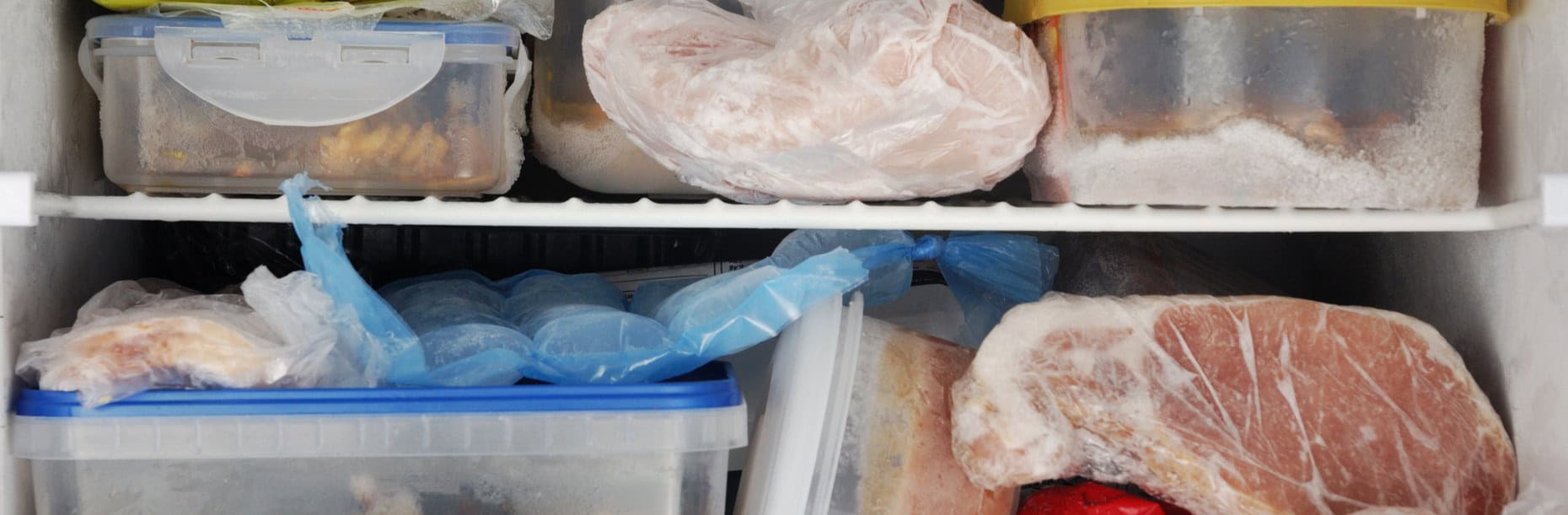
Your freezer temperature should be set at –18 degrees and is one of your biggest assets when it comes to reducing food waste. Freeze food before its use by date and it can be frozen for an unlimited amount of time, although its texture and taste may change after three months.
Remember, there’s a difference between use-by and best before dates. Any food that has passed its use-by date shouldn’t be eaten whereas best before means that the food is still good to eat but it might not be perfect in terms of taste and texture.
Store potatoes in the fridge. Keep onions in a cool, dark place and away from potatoes (they can also be frozen). Keep eggs in the fridge. Freeze milk and bread if you’ve bought too much.
Serve the right portions
Over-serving is a common problem when it comes to wasting food, particularly rice and pasta, but is one that’s easily solved. Find a mug or measure an amount that you know works for the number of people you cook for. You’re aiming for 75-100g of dried pasta per adult (50-60g per child) and 75g of rice per adult (35g for a child).
Use up leftovers
Cooking to ensure you’ve got leftovers is one of life’s great pleasures. You get another great meal the next day but with none of the hassle of cooking again.
And if you’ve accidentally cooked too much of something, most foods can be reheated once they’ve been cooled overnight.
Unavoidable food waste should never go in your rubbish bin. Instead, you can recycle all food waste using your local council’s food waste collection service. Or you can compost food waste from home.
Visit the Love Food Hate Waste website to find out more about good food habits and to find tools, resources and recipes to help you make the most of your food.
Ask us a question
Ask us anything about waste including what to do with an item you’re not sure about.
Sign up to our newsletter
We’ll send you regular tips, news and advice on how to recycle more and waste less.